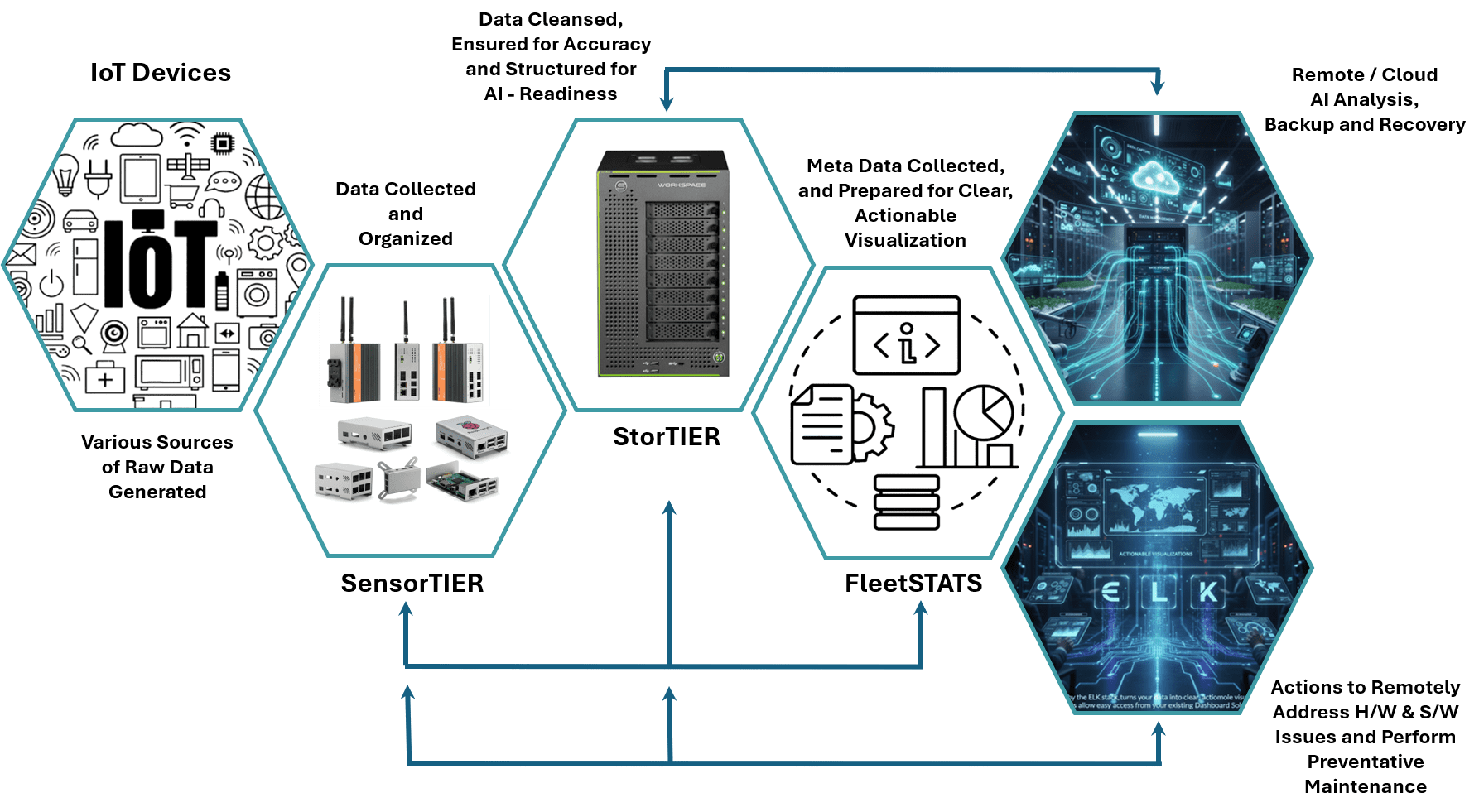
When sensor data is “Captured and Cleansed,” it refers to the process of acquiring raw information from sensors and applying a series of steps to refine it for analysis or use. Sensor data is notoriously noisy and unreliable due to environmental factors, device malfunctions, and transmission errors, making the cleansing stage critical for ensuring data quality.
The Capture Process
This first stage involves gathering data from one or more sensors in the physical world.
- Collection methods: Sensors may be configured to continuously monitor conditions or to take readings at specific intervals, reporting back only when data falls outside a set range. In IoT and smart city applications, this often happens in real-time.
- Sensor types: Sensors can measure a wide variety of inputs, including temperature, humidity, pressure, motion, and light. In multi-sensor systems, data may be combined using a technique known as data fusion.
- Data transmission: Captured data is transmitted from the sensor to a central system or cloud infrastructure. For many modern applications, this involves low-power communications protocols, and data might be collected locally before being synced to the cloud.
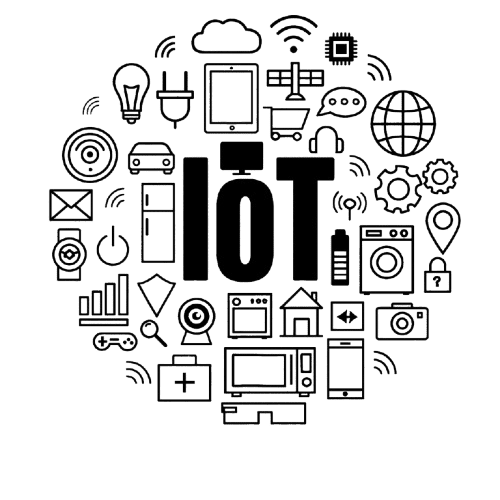
IoT devices generate a huge amount of raw data. It starts at the edge — Sanuyi devices capture sensor data from cameras, CAN bus, SCADA, and more.